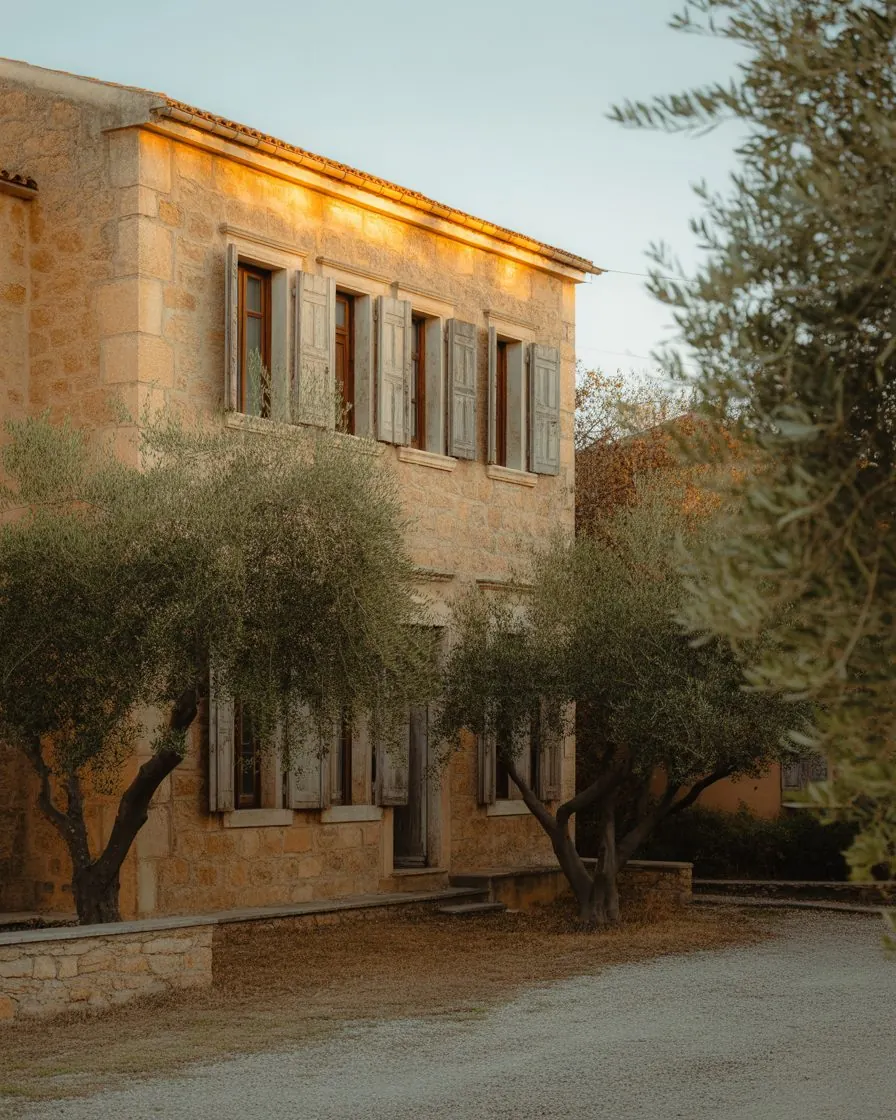
Members-only home watch in Kolonaki and central Athens for owners living abroad. Older neoclassical buildings on Patriarchou Ioakeim, mid-century blocks near the Square, new conversions on Loukianou — we know the buildings, we know the building managers, and we know what these properties need between your visits.
Kolonaki is the densest concentration of diaspora-owned high-value apartments in Athens. Families that left for the United States, the UK, Australia, France or Germany between the 1950s and 1980s kept the apartment "for when we come back" — and most of them never came back, at least not permanently. The flat now belongs to the second or third generation. It's typically been inherited rather than chosen. It sits empty most of the year. And the building it's in keeps voting on things, sending bills, calling meetings, and quietly degrading.
We treat Kolonaki as its own service area because the building-meeting culture, the property stock and the owner profile are all distinct enough to warrant it. Our Kolonaki routing is weekly, with monthly inspections the standard cadence and bi-weekly available for higher-value properties.
Kolonaki Square, Patriarchou Ioakeim, Skoufa, Tsakalof, Pindarou, Voukourestiou (upper end). Highest density of older multi-unit buildings, most active building-meeting culture, highest concentration of diaspora ownership.
Aristippou, Loukianou, Spefsippou, Plutarchou, Marasli, Souidias. The streets climbing toward Lycabettus hill. Higher elevation, slightly different microclimate (cooler, less polluted), some larger family flats and small detached houses.
Politehniou, Lykabittos (the broader area), Strefi Hill and the upper edge of Exarcheia, Neapolis, and the streets toward Syntagma and the Hilton corridor. Mixed property stock — Kolonaki residents and diaspora owners with property in adjacent districts are routinely added to our Kolonaki visit schedule.
Athens Districts 1, 2 and 3 are under a short-term-rental freeze imposed by Law 5170/2025 from October 2025 — new AMA registrations are frozen until at least 31 December 2026. Existing AMA-registered properties may continue operating, subject to the full compliance package. If you were planning to re-list a Kolonaki flat, that route is closed for now. Read our Law 5170/2025 breakdown for what your options are.
One discovery call, ~30 minutes. We walk through your apartment, your building, your meeting calendar (if you know it), and your honest priorities. No pitch, no pressure.
If we proceed: an onboarding visit (60-90 minutes — survey, key intake, baseline, building-meeting calendar capture). Monthly inspections begin the following week.
Central Kolonaki and the surrounding streets — Kolonaki Square, Dexameni, the Lycabettus foothills (Aristippou, Loukianou, Spefsippou), the lower streets toward Skoufa and the Patriarchou Ioakeim corridor, and the adjacent areas of Lykabittos and the Politehniou area. The Kolonaki market is almost entirely apartment buildings — older neoclassical conversions, mid-century blocks and a small number of newer developments.
Two reasons. First, the property stock — a higher proportion of high-value apartments in older buildings, with active building-meeting culture and frequent renovations and lift-replacement votes. Second, the owner profile — heavy diaspora ownership (particularly Greek-Americans and London-Greek families with multi-generational Kolonaki property), with many flats held but rarely occupied. The combination means oversight value here is unusually high.
Very. Many Kolonaki buildings hold quarterly general meetings, with frequent extraordinary meetings called for major works (lift replacement, exterior restoration, energy upgrades). Decisions on building dues, renovations, and shared expenses are voted on. Owners who can't attend miss their vote and accumulate liabilities they only discover months later when bills arrive.
Plumbing issues in older buildings (cast-iron drain lines reaching end of life), humidity in north-facing flats, balcony-drain blockages in autumn storm season, and the slow erosion of unattended properties — accumulated dust, dry plumbing traps releasing sewer odours after weeks, stagnant water lines, gradual decline of any houseplants left behind. Most of this is preventable with regular ventilation and inspection.
Plans start at €99/month for monthly visits to Kolonaki apartments. Larger apartments (>120 m²) or properties requiring building-meeting attendance and full bill administration run €149–€199/month. Onboarding is €100 and includes key intake, photo baseline, and building-meeting attendance setup.
Kolonaki sits in Athens District 1, which from October 2025 is under a short-term-rental freeze — no new STR registrations until at least 31 December 2026. Existing AMA-registered short-term-rental properties may continue operating, subject to the full compliance package (insurance, safety equipment). We don't run STRs but we do audit them and provide owner-side oversight. Our Law 5170/2025 blog covers the law in detail.
Yes. Older Kolonaki buildings — particularly the 1920s-1960s neoclassical conversions — have specific maintenance challenges: high ceilings (more interior volume to humidity-manage), original woodwork, older electrical installations that don't always meet modern RCD standards, and structural elements that need careful documentation against any new seismic movement. Our inspection includes a baseline crack-mapping protocol for older buildings.
Schedule a 30-minute discovery call. We'll walk through your building, your meeting calendar, and your honest priorities — and tell you whether home watch makes sense for you.
Schedule a discovery call